
Cortisone Injections: Joint Pain Treatment Guide by Southeast Physical Therapy

Let’s face it - joint pain can be a real party pooper. Whether you’re sprinting on the track, smashing it on the tennis court, or just trying to keep up with your weekend warrior lifestyle, those nagging aches can slow you down faster than you can say “ouch.” So, what’s the deal with cortisone injections? Are they the magic bullet for joint pain treatment, or just another medical mystery wrapped in a needle?
Why Joint Pain Treatment Matters More Than You Think
Joint pain isn’t just a minor inconvenience. It can seriously cramp your style and limit your ability to perform at your best. If you’re an athlete or someone who loves staying active, ignoring joint pain is like ignoring a flashing red light on your car’s dashboard. It’s a warning sign that something’s off and needs attention.
The good news? There are plenty of ways to tackle joint pain, from physical therapy and exercise to medications and, yes, injections. The goal is simple: reduce inflammation, ease pain, and get you back to doing what you love without that annoying ache tagging along.
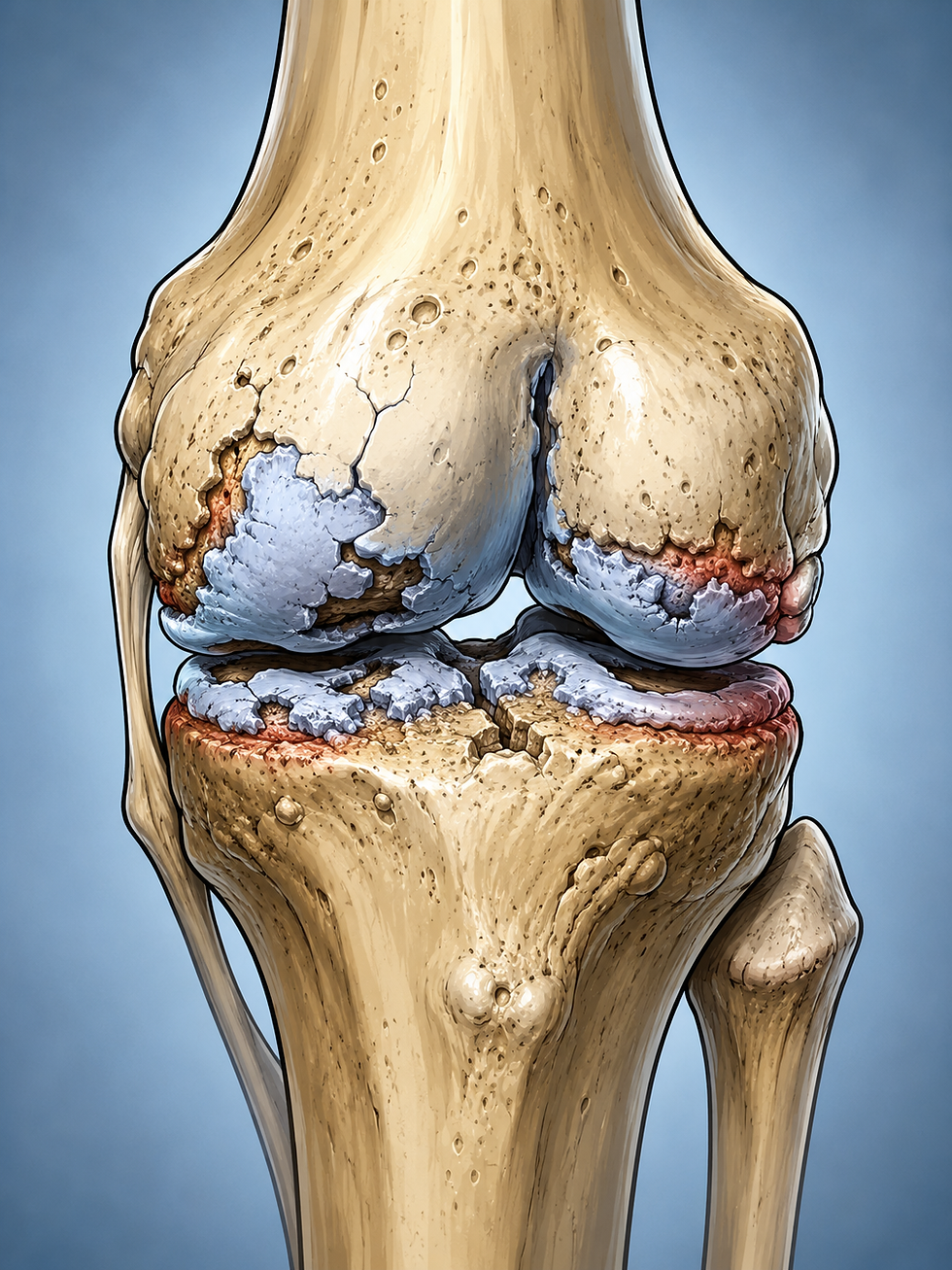
How Do Cortisone Injections Work in Joint Pain Treatment?
Cortisone injections are a type of corticosteroid shot that targets inflammation right at the source. Think of cortisone as the firefighter rushing in to douse the flames of swelling and pain inside your joints. When inflammation goes down, pain usually follows suit.
Doctors typically inject cortisone directly into the joint or surrounding tissue. This localized approach means the medicine works faster and harder right where you need it most. It’s like sending in Special Forces instead of dropping a bomb on the whole neighborhood.
But before you start picturing a magic wand, remember: cortisone injections are not a cure-all. They’re part of a bigger plan that often includes physical therapy, lifestyle changes, and sometimes other treatments.
What are the Bad Side Effects of Cortisone Injections?
Now, let’s get real. Nothing in medicine is 100% risk-free, and cortisone injections come with their own set of potential side effects. Before you roll up your sleeve, it’s smart to know what you might be signing up for.
Here are some of the common and less common side effects:
Pain and swelling at the injection site: Sometimes the shot can cause a temporary flare-up of pain, known as a cortisone flare. It usually settles down in a day or two.
Skin changes: Thinning of the skin or lightening of the skin color around the injection area can happen, especially with repeated shots.
Infection: Rare, but possible. That’s why sterile technique and professional administration are crucial.
Tendon weakening or rupture: Repeated injections in the same spot can weaken tendons, so doctors usually limit the number of shots you get.
Elevated blood sugar: For folks with diabetes, cortisone can cause a temporary spike in blood sugar levels.
Joint damage: Overuse of cortisone injections might contribute to cartilage damage over time.
The takeaway? Cortisone injections can be a powerful tool, but they’re not something to overdo. Always chat with your healthcare provider about the risks and benefits based on your unique situation.

When Should You Consider Cortisone Injections?
So, when is the right time to think about getting a cortisone shot? If you’re dealing with persistent joint pain that hasn’t responded well to active rest, physical therapy, or over-the-counter meds, it might be time to explore this option.
Common conditions where cortisone injections shine include:
Arthritis: Osteoarthritis and rheumatoid arthritis often cause joint inflammation that responds well to cortisone.
Bursitis: Inflammation of the fluid-filled sacs around joints.
Tendonitis/Tendinosis: Inflamed tendons causing pain and limited movement.
Frozen shoulder: Stiffness and pain in the shoulder joint.
Gout flare-ups: Sudden, severe joint pain due to uric acid crystals.
Remember, cortisone injections are usually part of a broader treatment plan. They can provide relief that helps you engage more effectively in physical therapy or other rehab activities.
How to Prepare and What to Expect During the Injection
Nervous about needles? Totally normal. Here’s a quick rundown to ease your mind:
Preparation: Your doctor will clean the injection site thoroughly. Sometimes, they use a local anesthetic to numb the area.
The injection: The cortisone shot is usually quick - think less than a minute. You might feel a pinch or pressure.
Aftercare: You might be advised to rest the joint for a day or two. Ice can help reduce any post-injection soreness.
Results: Relief can kick in within a few days, but sometimes it takes up to a week. The effects can last weeks to months.
Pro tip: Keep track of how your joint feels after the injection and report any unusual symptoms to your healthcare provider.
Beyond the Shot: Long-Term Joint Health Tips
Getting a cortisone injection is just one piece of the puzzle. To keep your joints happy and healthy, consider these tips:
Stay active: Low-impact exercises like swimming, cycling, or walking help maintain joint mobility.
Strengthen muscles: Strong muscles support your joints and reduce strain.
Maintain a healthy weight: Extra pounds add stress to weight-bearing joints.
Use proper gear: Supportive shoes and protective equipment can prevent injuries.
Listen to your body: Don’t push through pain. Rest and recovery are part of the game.
If you’re in Roswell or East Cobb, GA, and want a tailored plan to manage joint pain and boost your performance, Southeast Physical Therapy has your back. They specialize in helping active folks get back to their peak without missing a beat.
Ready to Take Control of Your Joint Pain?
Joint pain doesn’t have to be the boss of you. With the right knowledge and support, you can tackle inflammation, ease discomfort, and keep living life at full throttle.


Comments